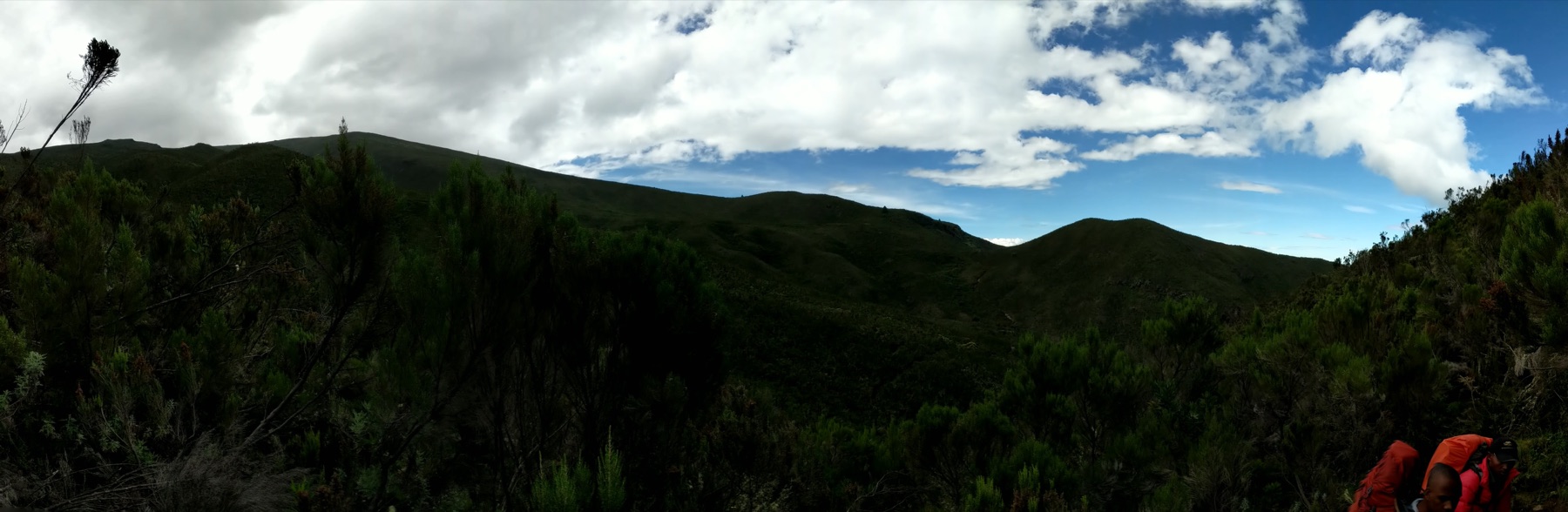
Lemosho Route · The Panoramic Route
Longest and most remote. Highest success rates thanks to superior acclimatization and a stunning traverse of the entire mountain.
- Duration
- 7–8 Days
- Distance
- 70 km / 43 mi
- Approach
- Western Breach
- Difficulty
- Challenging
- From
- $2,700 pp
Route overview
Widely regarded as the most beautiful route on Kilimanjaro, Lemosho begins deep in the western forests and traverses the entire mountain before summit night. Its length and superb acclimatization profile give it among the highest success rates of any route. Remote, quiet and spectacular, it merges with the Machame trail for a dramatic finish.
- Among the highest summit-success rates
- A full west-to-east traverse of the mountain
- Remote, low-traffic early days
- Spectacular Shira Plateau scenery
Pricing
From $2,700 per person. Group discounts apply — ask us for a tailored quote.
What's included
- All Kilimanjaro National Park entry, camping & rescue fees (KINAPA)
- Professional KINAPA-certified mountain guides
- Full support crew — cooks and porters
- All meals on the mountain, freshly prepared
- Quality four-season tents and sleeping mattresses
- Pulse-oximeter monitoring and emergency oxygen
- Airport transfers and trailhead transport
- International flights and Tanzania visa
- Travel and medical insurance (mandatory)
- Tips for guides, cooks and porters
- Personal trekking gear and clothing
- Drinks, snacks and personal items
Good to know
How fit do I need to be for the Lemosho Route?
You don't need to be an athlete, but Kilimanjaro is a serious high-altitude trek. A few months of regular cardio plus some long day-hikes with a pack will serve you well. On the mountain the golden rule is "pole pole" — slowly, slowly.
What about altitude and acclimatization?
We build in "climb high, sleep low" days, monitor oxygen saturation twice daily with pulse oximeters, and carry emergency oxygen. Longer itineraries dramatically improve how comfortably you summit.
When is the best time to climb?
The dry seasons — January to mid-March and June to October — offer the most reliable conditions. We run treks year-round and are happy to advise on the best window for your dates.